
Description
Squash Ayote
Cucurbita moshata
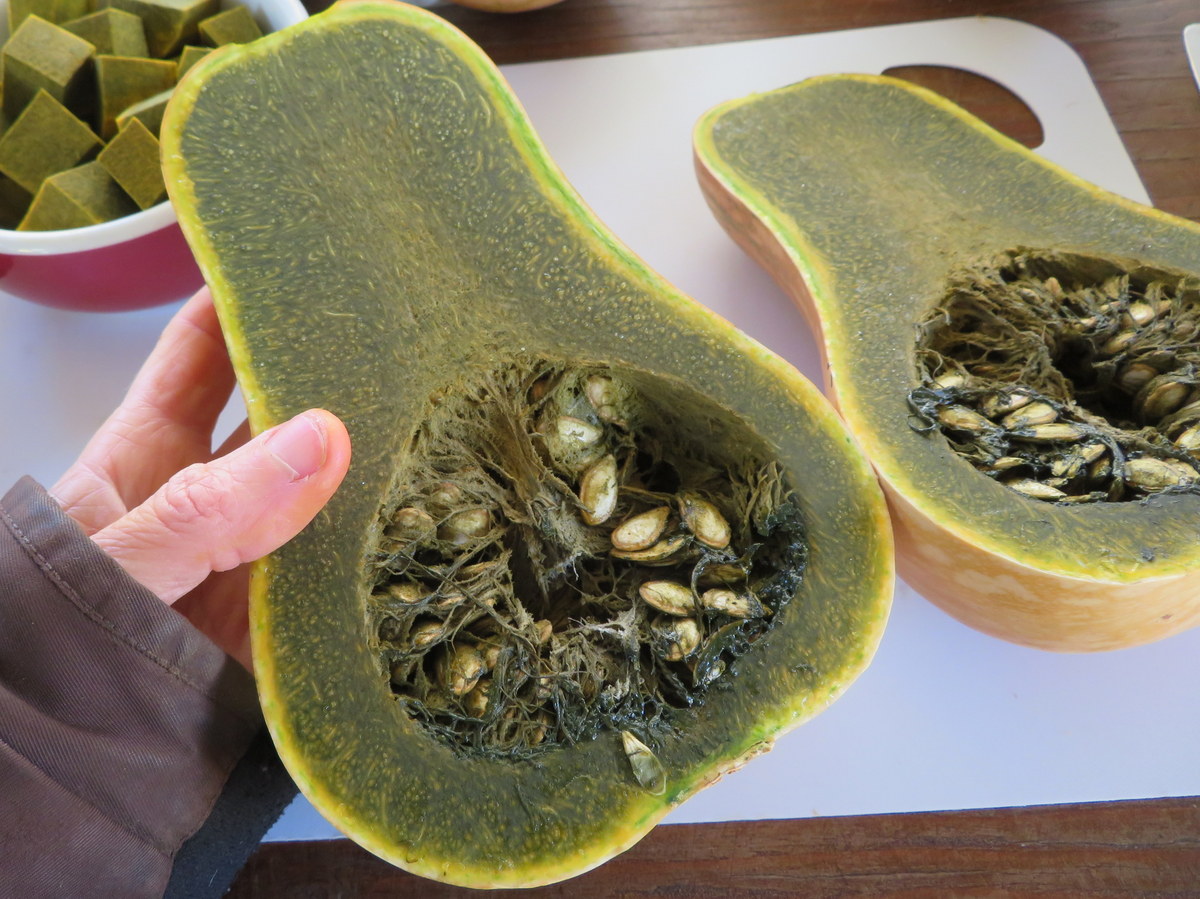
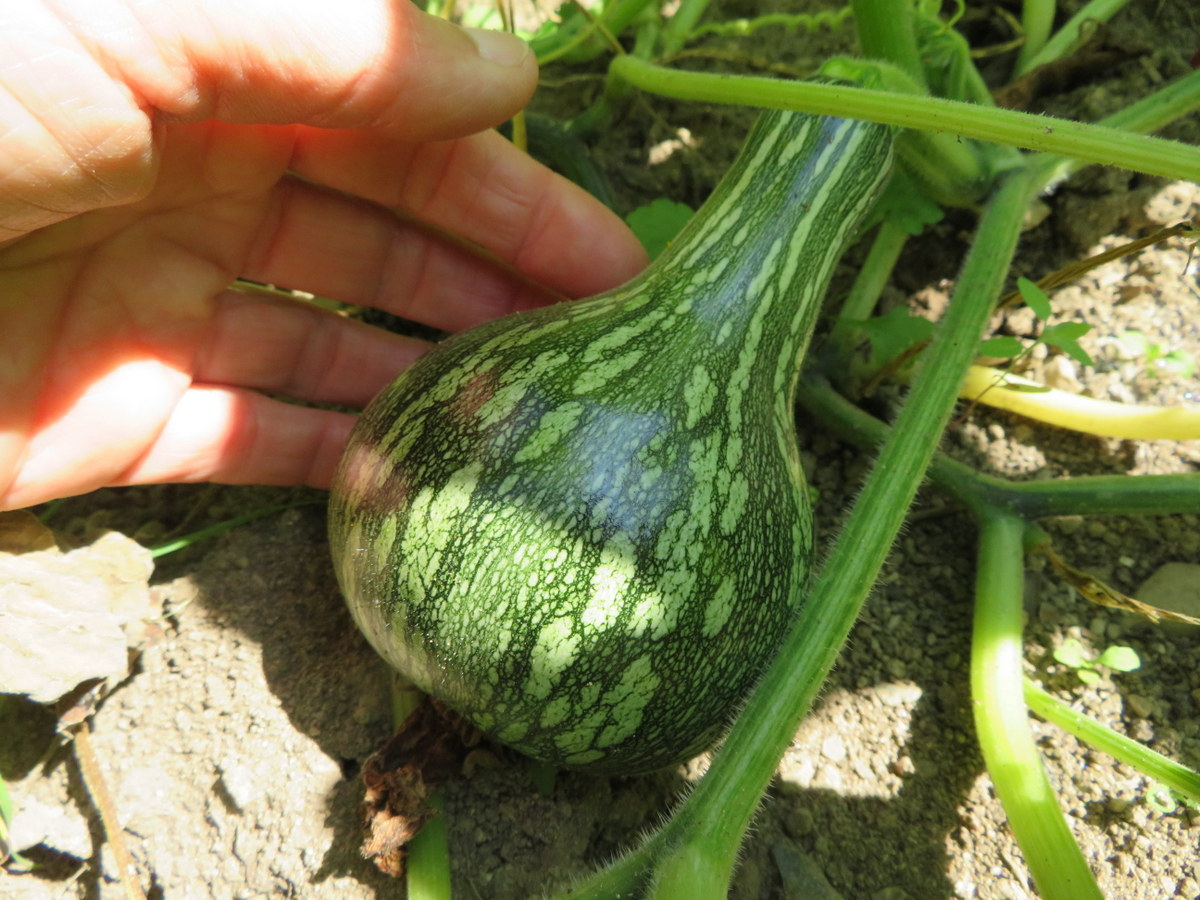
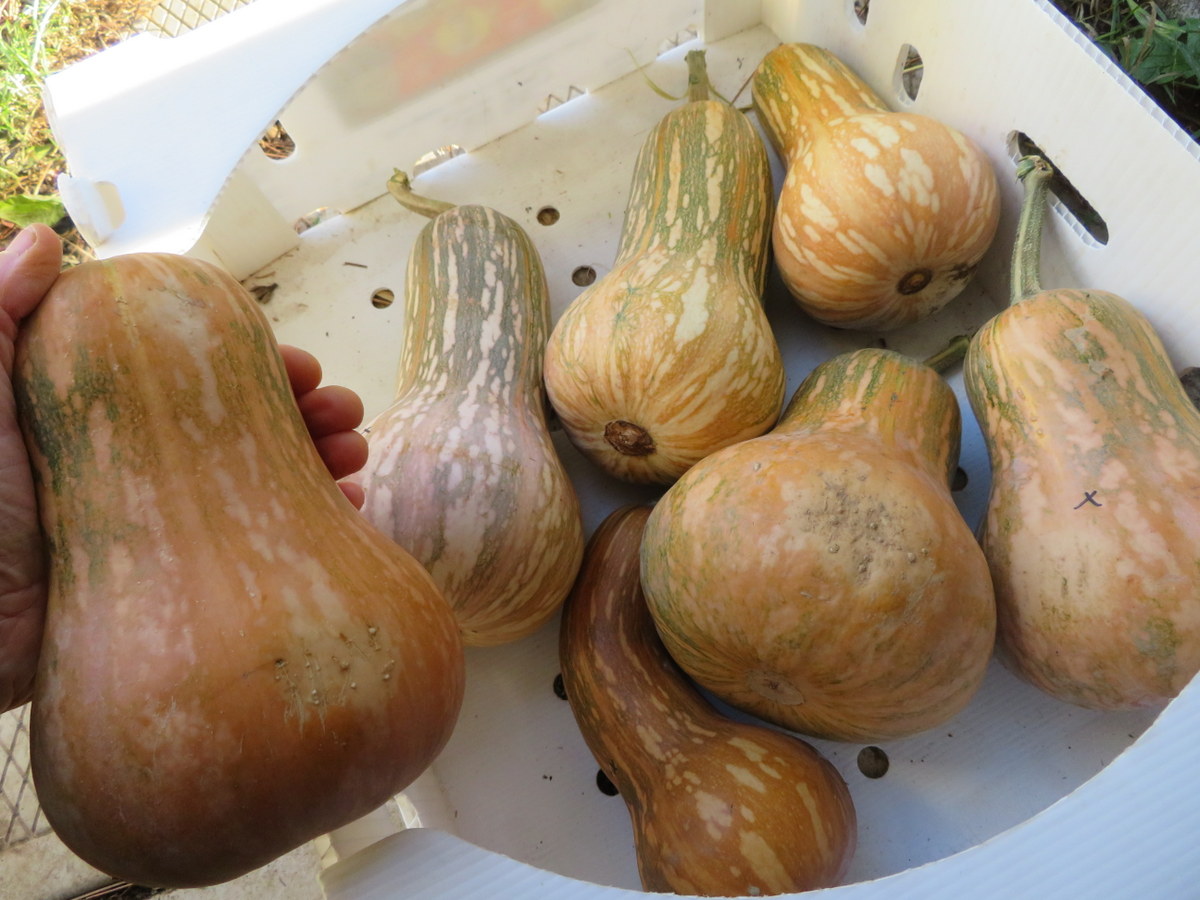
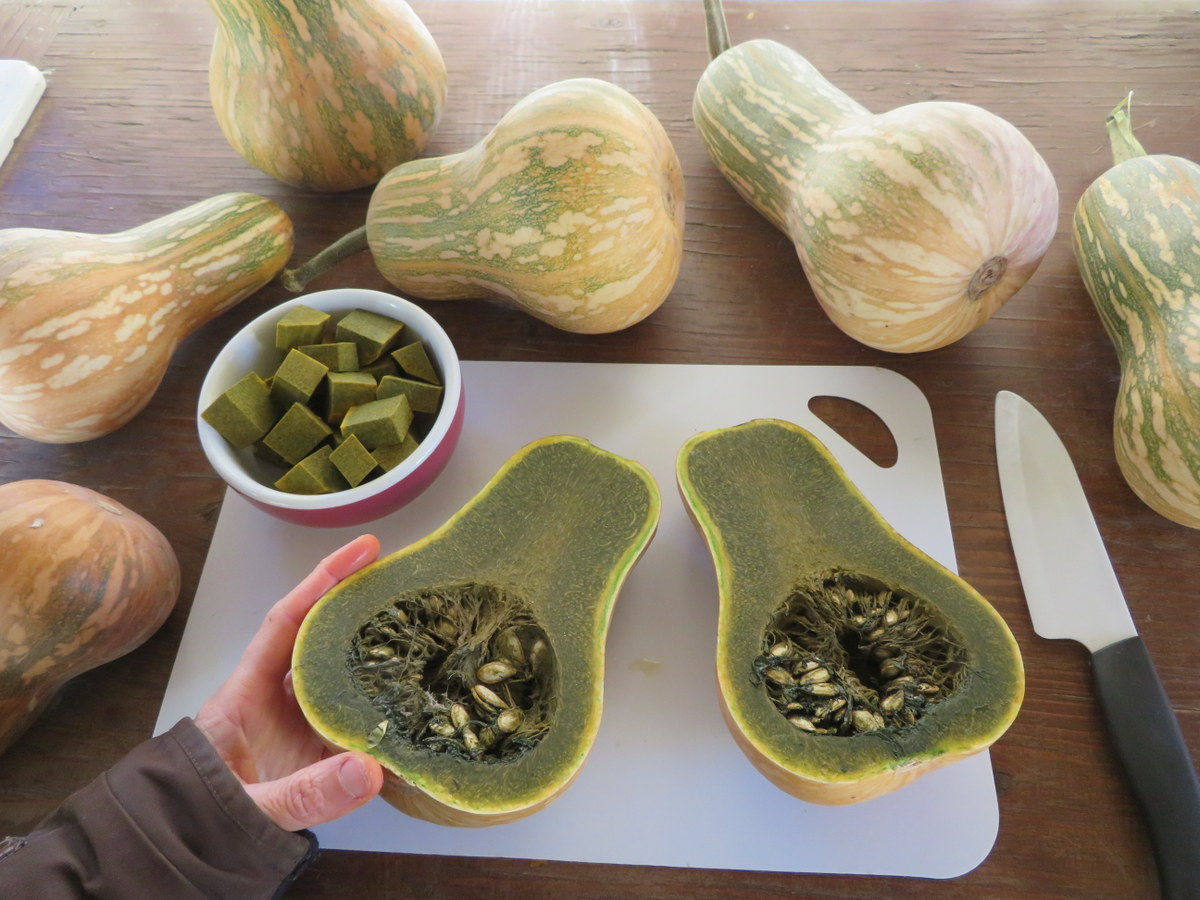
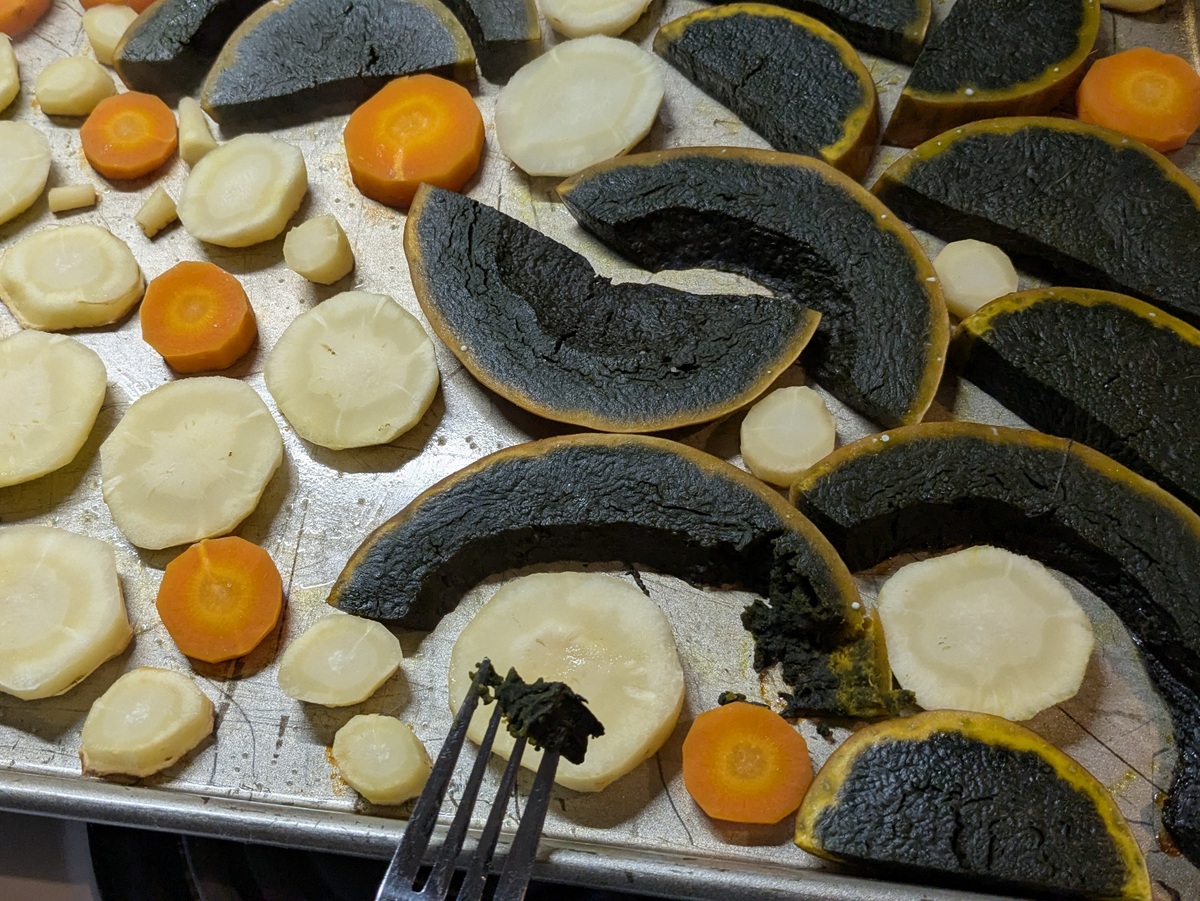
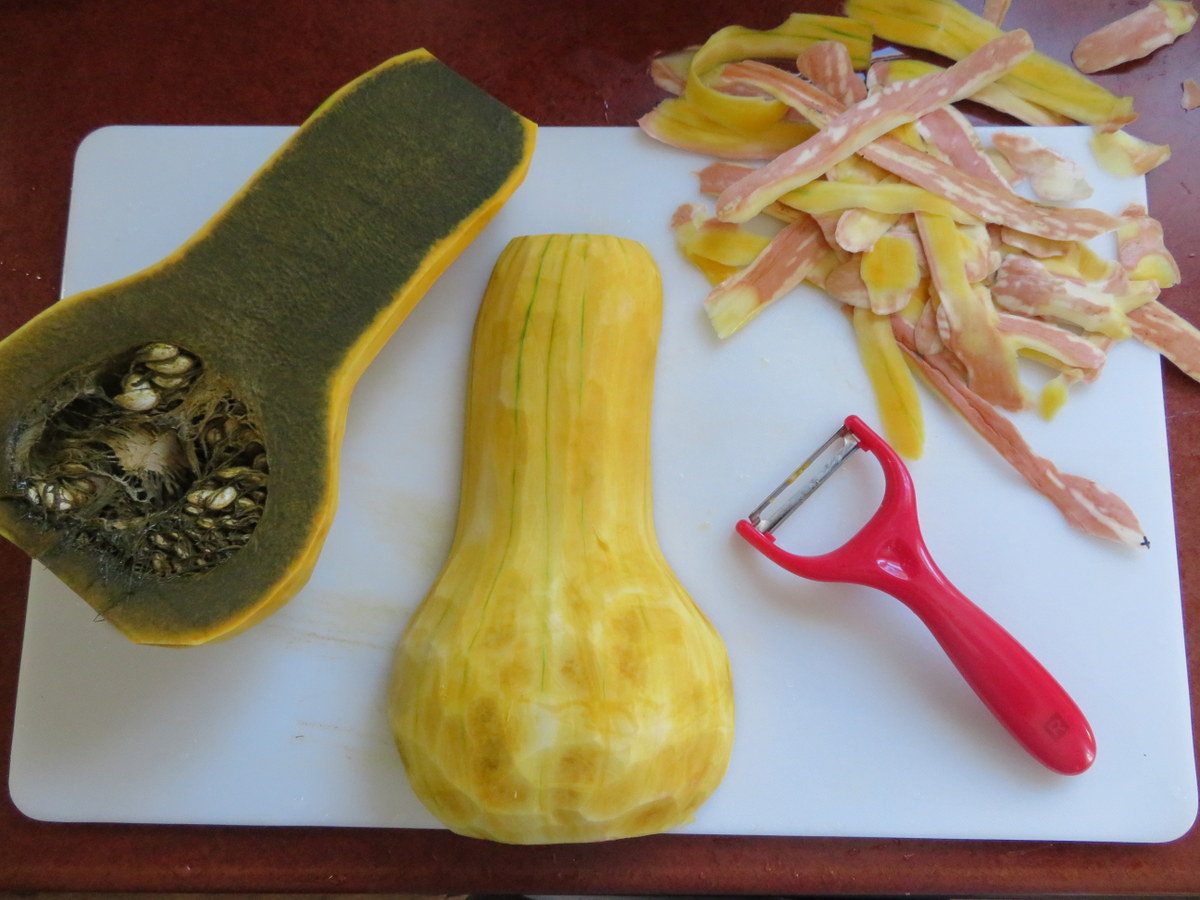
Green butternut squash with white streaks, turning beige when ripe. Varied pear shape, more or less elongated. 2 to 3 lbs, (18 to 23 cm long by 12 cm in diameter). Flesh turns from orange to dark green when very ripe. Soft, non-fibrous texture. Sweet flavor. Very good raw or cooked. The color darkens with cooking. Excellent winter storage. Can be eaten like zucchini when very young, with pale yellow flesh. Also known as green-fleshed Guatemalan squash. Popular for making the famous Ayote en miel (also known as ayote en dulce), a traditional Latin American dessert, served in early November on All Saints’ Day, the Day of the Dead (Dia de los muertos). 120 days to maturity.
Full sun, rich and well drained soil. Sow indoors 2-5 weeks before last frost. Direct seeding is possible in zone 5 and above, not recommended in zone 4 and below. Protect young plants from insects at the beggining of the season. 2 cm deep. 60 cm between plants.
Germination: 99% in January 2026
Ecological seeds produced at Catherine’s Ornamental Garden.
Note
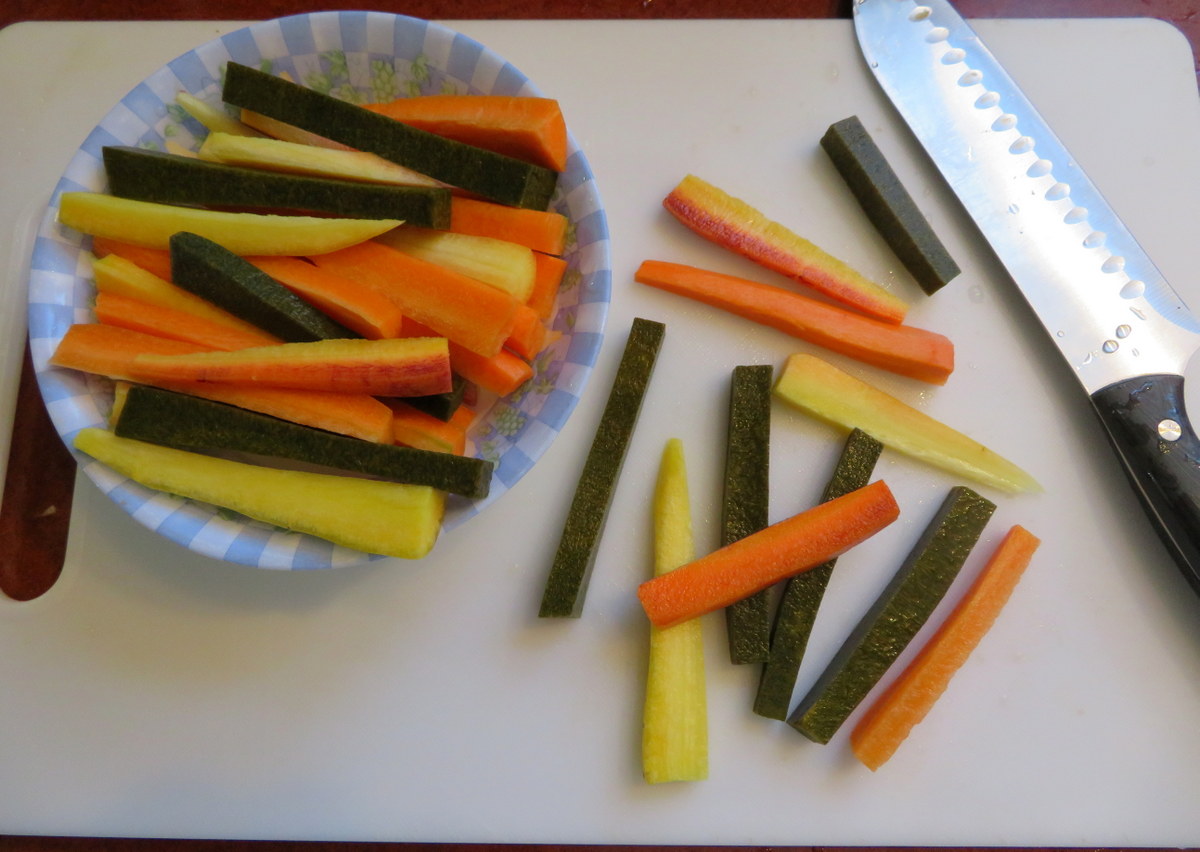
Its color is surprising, but yes, you can eat this squash without poisoning yourself.🙂 It’s excellent! The flavour and texture are very similar to butternut, with a pumpkin flavour that is perhaps a little more concentrated. The green color of this squash is due to the type of carotene it contains, the same carotene found in spinach, broccoli, kale and so on.
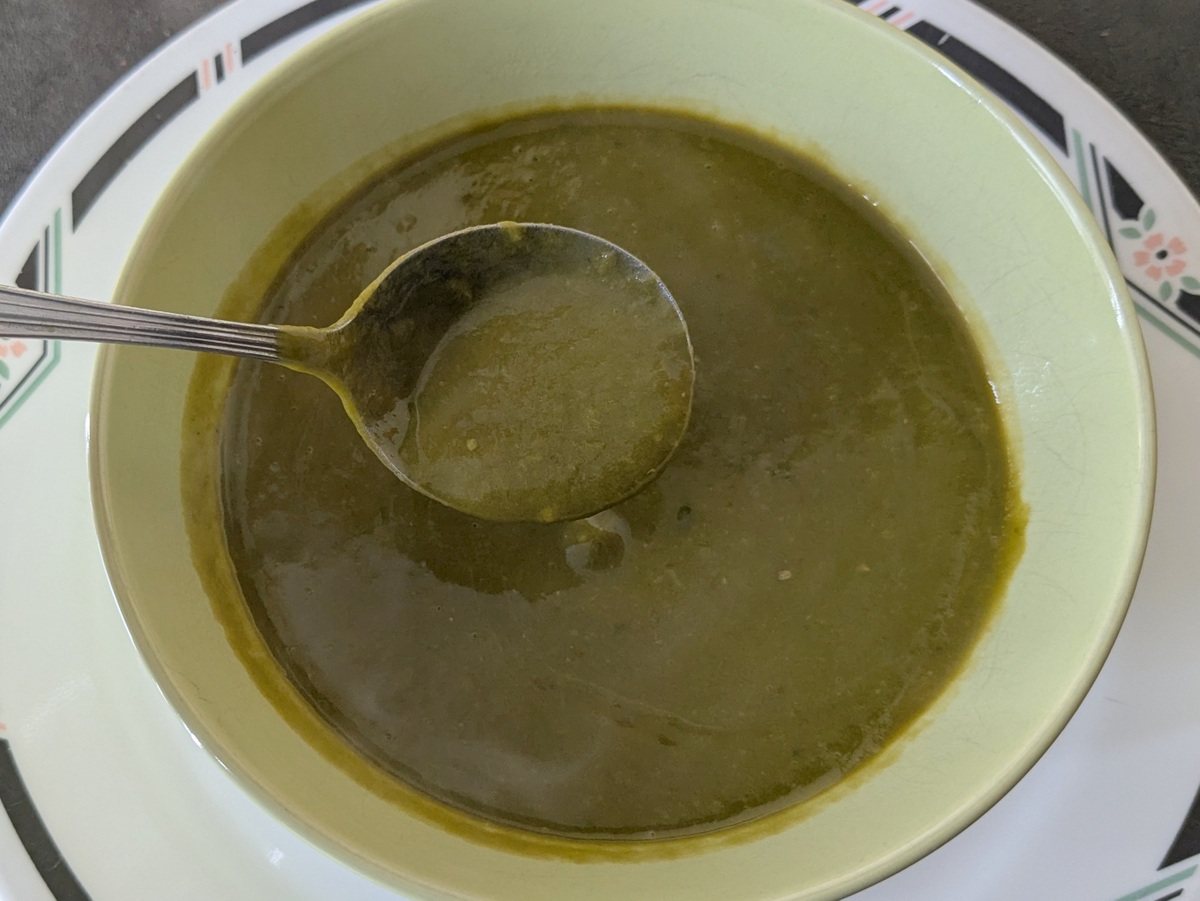
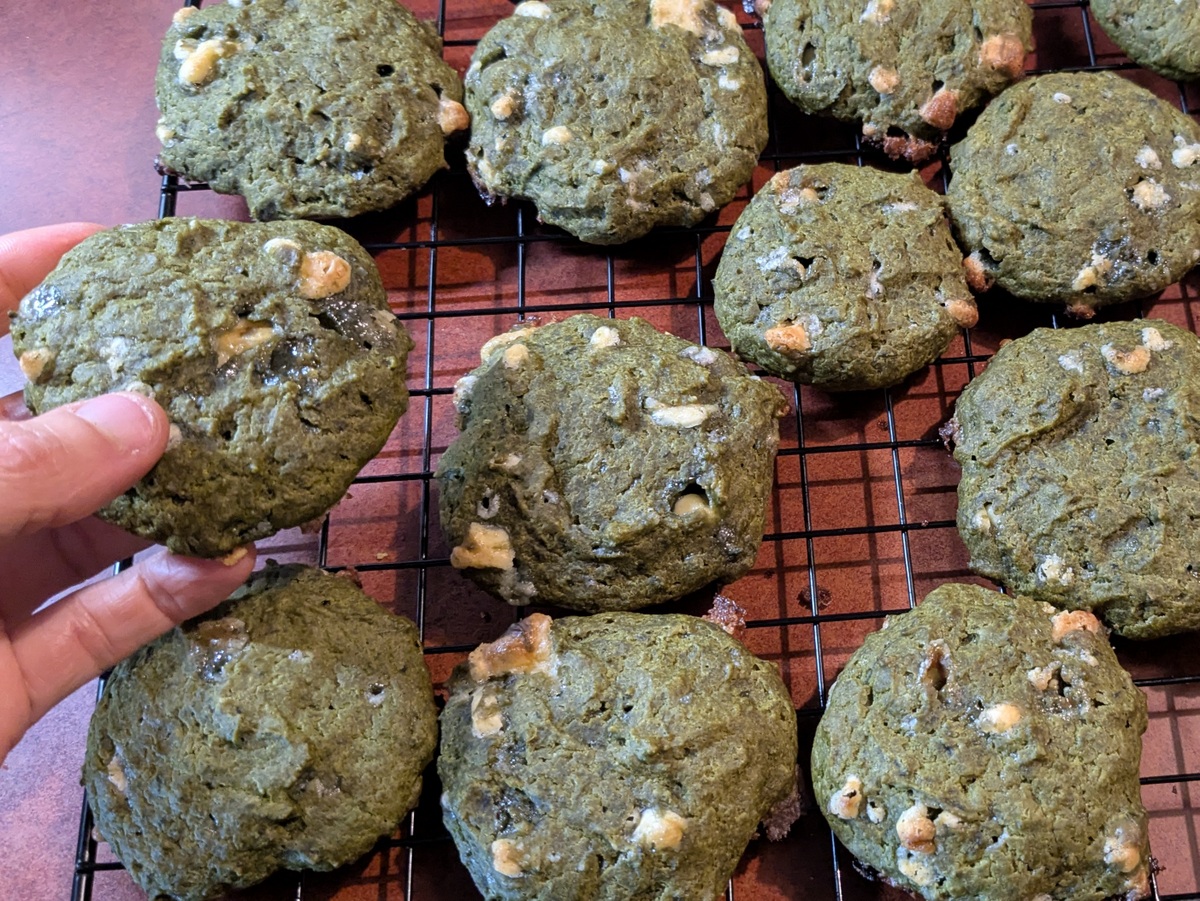
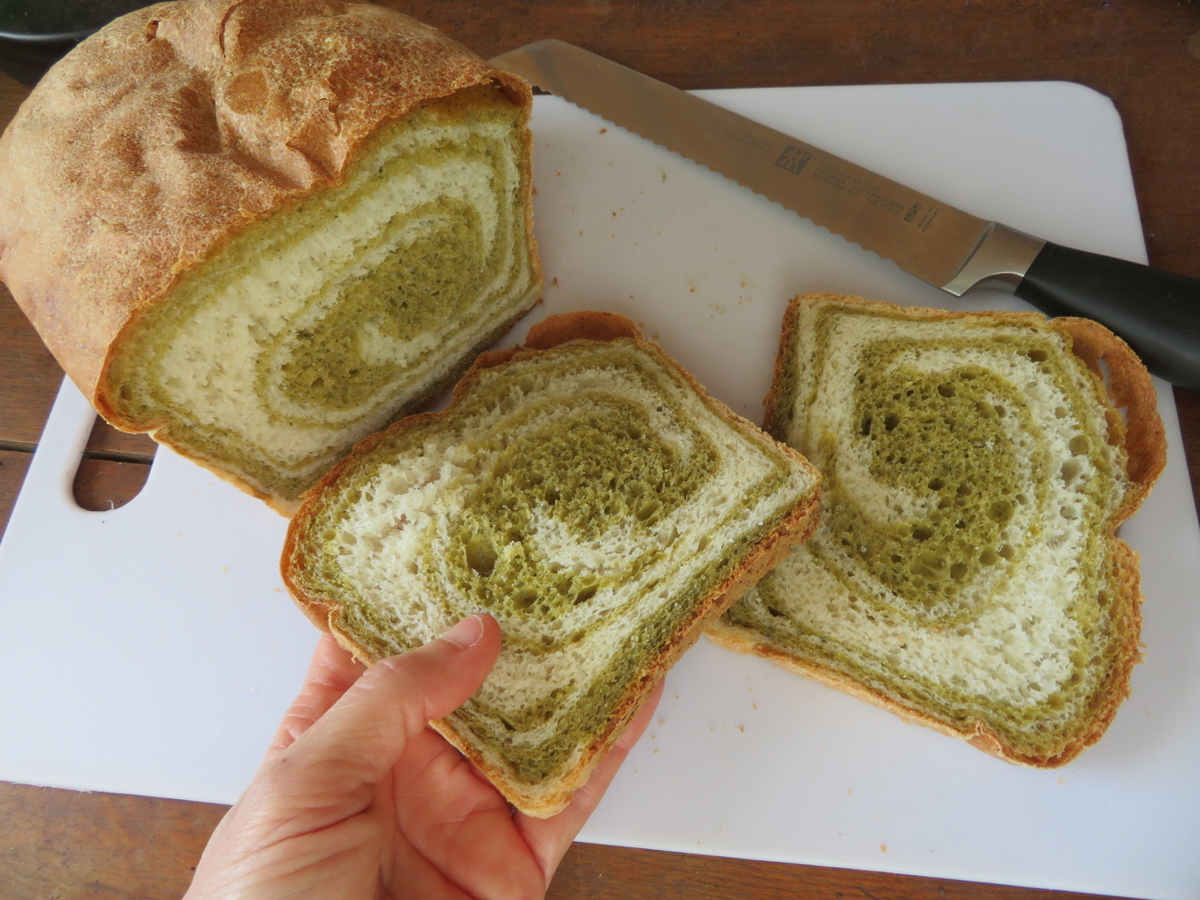
We made a broccoli cream without broccoli and green cookies with it, and it was really good. But beware: mixed with other colored vegetables, it can produce some pretty strange-colored dishes… And if your squash isn’t fully ripe, it’ll be more orange than green, and once cooked it turns khaki brown… But there’s no need for complicated recipes, you can simply cut it into pieces, bake it in the oven without peeling it, and eat it with the skin. And as a raw vegetable, it’s magnificent!
Ayote squash has been on our radar for a few years, but it is described as very late by people in zones 6, 7 and hotter. So we didn’t dare try it. In the end, its maturity is very similar to Honeynut. All our squashes were ripe at harvest. It remains late: not recommended in zone 3 or in less than full sun. We still managed to harvest it in our zone 4 without any more effort than any other squash.


Reviews
There are no reviews yet.